Coral Reefs of the High Seas Coalition
A global alliance protecting coral reefs beyond national borders.

Why coral reefs
of the high seas?
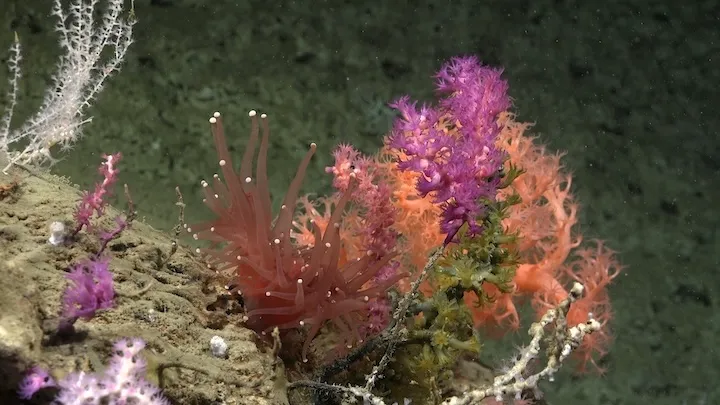
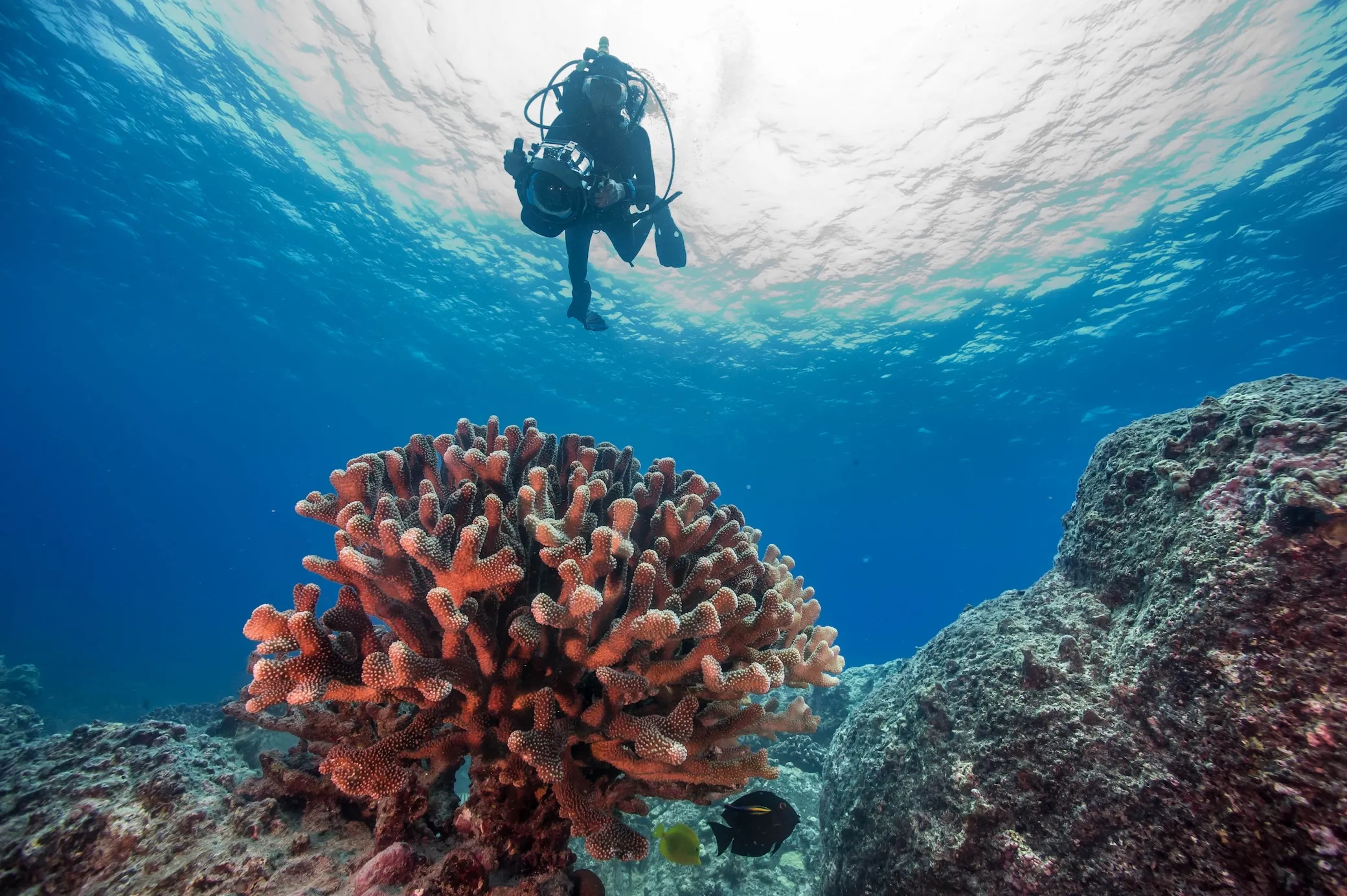
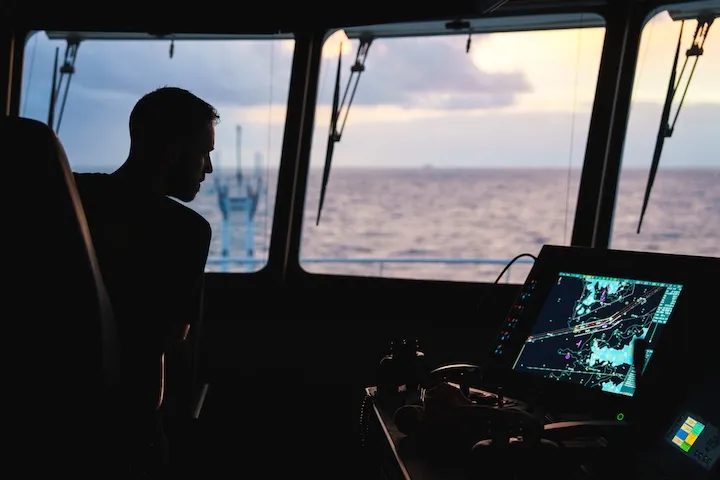
When most people think of coral reefs, they think of tropical coastlines. But some of the world’s most important reefs grow far from the shore, rising from underwater mountains in areas beyond national jurisdiction.
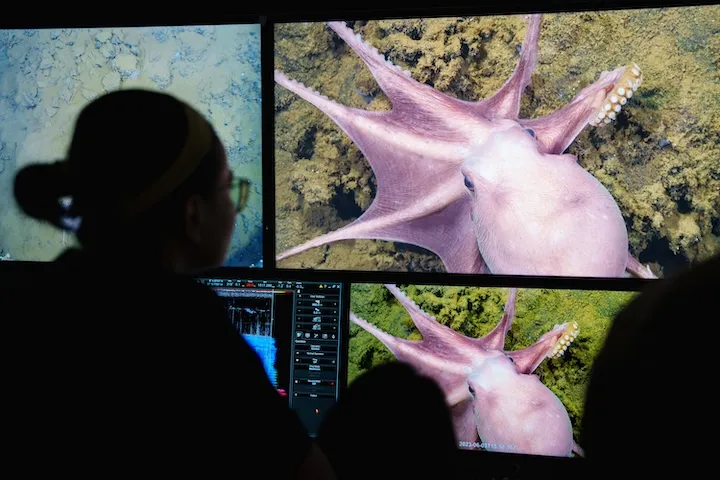
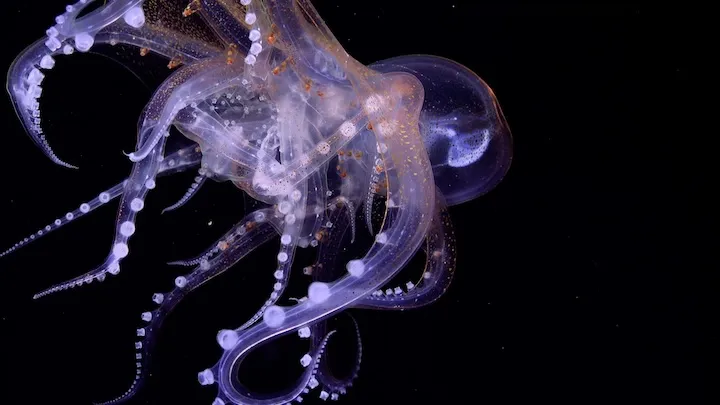
These coral reefs are living cities in the open ocean, rich with life. They hold ocean systems together, fueling food webs, storing carbon, and supporting communities across the planet. But they remain largely unprotected as threats loom.
The high seas cover more than
of the global ocean

Just
of the high seas is protected
Coral reefs support
of all ocean's life

What we do
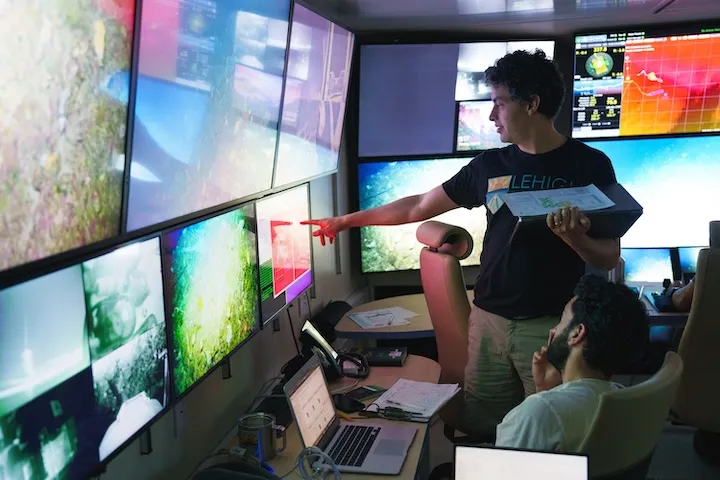
The Coalition brings together scientists, decision-makers and communities to protect coral reefs in the high seas. By connecting organizations and experts that once worked in isolation, we turn shared knowledge into coordinated action.
Science
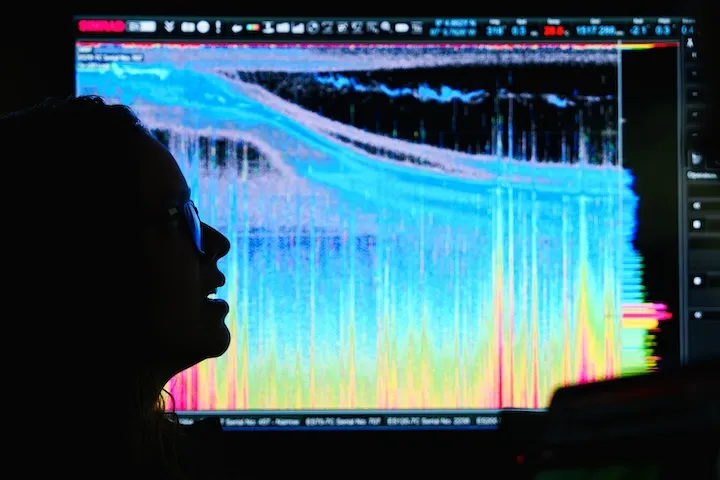
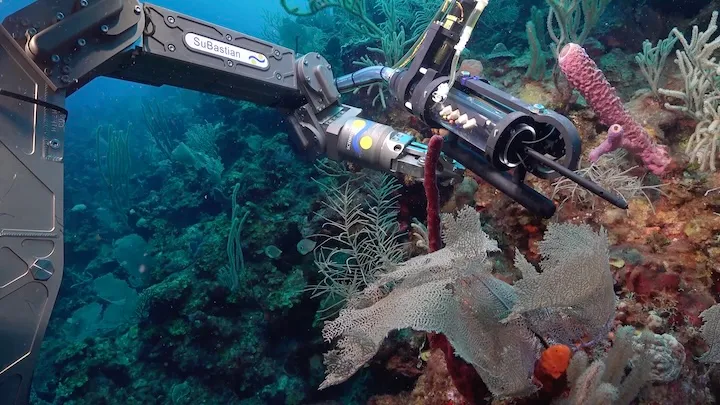
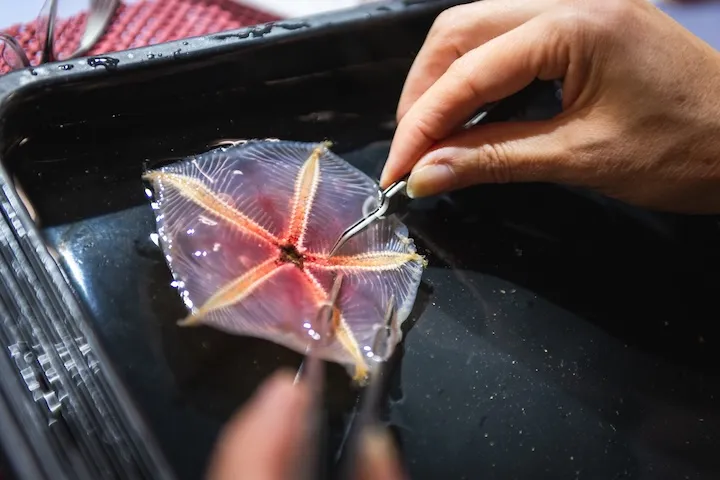
We study high seas coral reefs to better understand how they function, what lives on them, and why they matter. By building on existing research and carrying out new expeditions using cutting-edge technologies, we generate the science needed to protect these fragile ecosystems.
Policy
We turn science into protection. The Coalition engages with Regional Fisheries Management Organizations (RFMOs) and through the UN High Seas (BBNJ) process to advance lasting safeguards for coral reefs.

Community engagement
We build momentum for change by working with communities, regional partners, and ocean leaders. By sharing knowledge, centering regional perspectives, and fostering collaboration, we help drive inclusive action.
Featured resources
Essential resources to understand and protect high seas coral reefs.
Our partners
.jpg)

.png)





Join the coalition
Partner with us or stay informed as we work to protect coral reefs in the high seas.
Featured milestones and events
We host events to advance protection of high seas sites and engage internationally to strengthen our impact.
Convening over 50 stakeholders from government, science, NGOs, IPLCs, and the private sector to advance the Salas y Gómez and Nazca ridge MPA proposal under the BBNJ Agreement, as Chile launched a consultation process toward high seas protection.